Steel vs Wooden Fire Doors: What Suits Best For Your Facility?
Suppose it’s Wednesday evening in Karachi, and you are sitting in an office. A spark of heat starts within your building. Maybe due to a frayed wire in a server room, or a careless cigarette in a loading bay. This fire can become a contained incident or a disaster, depending on your decision to implement fire safety equipment, emergency exit training and the right fire door.
Too often, building owners prioritize low cost or looks over functionality. Some people choose steel doors for durability, while others select wooden doors for aesthetics. However, the right door depends on the specific needs of the area, whether it’s a hospital, an industrial space, or a warehouse. Oversight is a dangerous gamble, so make the right, wise choice.
Expert Decision Depends On Requirements:
This guide cuts through the noise and misconceptions to analyze the real debate: Steel door vs. Wooden door. The right choice isn’t universal; it depends entirely on your building’s purpose, its environment, and the specific level of fire resistance required for true fire safety implementation.
Why Fire Doors Matter More Than Ever
A standardized door is not just an ordinary door; it is a crucial component for creating a difference between life and death. It compartmentalizes fire and smoke, and gives occupants time to escape from the building. Usually, the rating of resisting fire is 20 to 120 minutes. But it depends on the durability and core material. While both materials fulfill this function, their construction and intrinsic properties tell their optimal usage and reliability.
Steel Fire Doors: Maximum Protection for High-Risk Zones
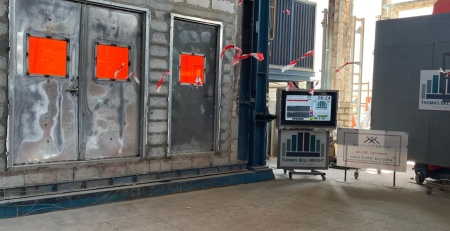
Steel doors are built for endurance; they are the ultimate industrial workhorse. They are made up of a rigid steel shell with high-density insulating cores inside. They offer exceptionally high fire resistance and longer life. This feature makes them ideal for areas demanding maximum protection. Their strength, high durability, and resistance make them a go-to choice for industrial use, heavy commercial and high-traffic areas.
Wooden Fire Doors: Style With Certified Safety
Fire-rated wooden doors have specialized timber cores with intumescent(coated or sealed) materials that expand when heated, and block fire spread. They’re less fire-resistant than steel, but valued for aesthetics, blending into offices, homes, and schools. Their design appeal makes them ideal for spaces prioritizing looks, offering reliable fire protection with a seamless finish.

Certifications You Must Check Before Buying a Certified Door
When it comes to safety doors, don’t just take the seller’s word for it. Look for certifications that complete Fire-rated door standards (UL, BS, EN) from well reputed organizations. These marks are like a seal of approval, ensuring the door has been rigorously tested and meets international safety standards.
To ensure your office has a genuine fire rated door, check the door slab’s certification and verify the frame, hardware, and seals are also certified. All components must work together, so it’s better to insist on certified equipment for complete protection.
Steel Fire Door vs Wooden Fire Door: Key Comparison
Here is a quick comparison between steel fire rated doors vs wooden fire rated doors to help you understand their performance across critical safety factors.
| Feature | Steel Certified Door | Wooden Certified Door |
| Fire Rating | Up to 180 mins | Up to 90 mins |
| Durability | Extremely high (impact, heavy usage) | Moderate (susceptible to humidity/denting) |
| Weight & Feel | Heavier, giving a strong, industrial, or robust feel. | Lighter, offering a more traditional and welcoming feel. |
| Maintenance | Low (resistant to warping/cracking) | Needs regular check (for seals, warping) |
| Cost | Higher initial cost, lower long-term cost | Lower initial cost, potentially higher lifetime costs |
| Thickness | The minimum door thickness recommended is 44mm | The minimum door thickness recommended is 60mm |
| Best Use | Warehouses, factories, hospitals, utility rooms | Offices, apartments, schools, internal corridors |
| Weakness | Hollow metal doors do not emit any gases or smoke, but seal the gaps because of the expansion of the door. | Can generate Toxic gases if the core or the surface material is not appropriate |
| Finish Options | Powder-coated, paint, stainless steel | Veneer, laminate, paint, decorative finishes |
| Certification | UL, BS, EN | UL, BS |
Where Each Fire Door Works Best (Practical Building Scenarios)
Choosing the right fire door becomes much easier when you look at the building and think about how people use it every day. Every space has a different risk level, so the fire door should match that need. A small office may not need the same door strength as a busy factory or a crowded shopping mall. When the right door is installed in the right place, it slows down smoke and flames and gives people more time to get out safely. This simple match can make a huge difference during an emergency. For Instance,
Industrial & Manufacturing Facilities
- Recommendation: Steel. Heavy industries like textile mills in Faisalabad, High-traffic areas, loading docks, and utility rooms need the maximum durability and highest fire resistance (120-180 minutes). A steel door can withstand constant impact and heavy use without compromising structural integrity.
Commercial Offices & Corporate Buildings
- Recommendation: Wooden. In common areas, executive offices, and corridors, aesthetic harmony is important. Certified wooden doors (typically 60-90 minutes) provide the necessary safety compliance while offering elegant finishes.
Hospitals & Airports
- Recommendation: Steel. These environments require strict hygiene and long-term reliability. Steel doors are easier to clean, highly durable, and often provide the higher fire ratings mandated for critical infrastructure and evacuation routes.
Residential Apartments & Hotels
- Recommendation: Wooden. For individual apartment unit entries, or housing societies like DHA, Bahria etc. certified wooden doors with proper seals are the standard. They provide the necessary fire separation (often 60 minutes) while offering a welcoming, residential feel.

Common Myths About Fire Doors
In Pakistan, many myths still surround fire certified doors. Some people think they look unattractive, others assume wooden doors are unsafe, while some believe steel doors are only for factories. These misconceptions come from poor-quality manufacturers and improper installation, not from the concept of fire doors themselves. When a door is certified, properly planned with the right fire escape strategy, and installed correctly, it becomes one of the most dependable life-saving components in any building. So let’s clear up these common myths and understand what really matters in fire door safety.
Wooden Doors Are Unsafe
Many people might not go for a wooden door as they believe “they are not safe”. However, it is a myth, not a fact. A certified wooden fire door is an exceptionally reliable component if it is manufactured, installed, and maintained correctly with proper fire-resistant cores and seals. A certified wooden door is capable of halting fire and smoke for its specified duration.
Steel Doors Are Ugly and Only for Heavy-Duty Use
Steel doors had a reputation for being bland and unappealing, and lacked the aesthetic charm that other materials offered. It made owners hesitant to choose them for their buildings. However, modern steel doors come with sophisticated finishes. Through advanced powder-coating, veneer applications, or decorative stainless steel, a steel fire door can be made to look elegant and high-end, matching modern office or hospitality interiors without sacrificing maximum protection.
Final Decision: Which One Is Right for You?
Choosing between steel and wooden doors isn’t just about cost; it’s about aligning safety standards with your environment’s needs. The cheapest option today can become the most expensive risk tomorrow if it fails to perform when it matters most.
Making the correct decision on your fire-rated door is a critical aspect of responsible building management. It requires understanding compliance, environment, and the long-term reliability of the material.
Why Mechatronix Is the Trusted Choice?
Whether you need steel fire doors for factories or wooden fire doors for offices and apartments, Mechatronix provides UL- and BS-certified fire-rated doors designed for Pakistan’s building safety standards. They are Certified fire door suppliers that’s why they ensure every door meets the highest international standards for performance and compliance.
Secure Your Premises With Fire Rated Doors!